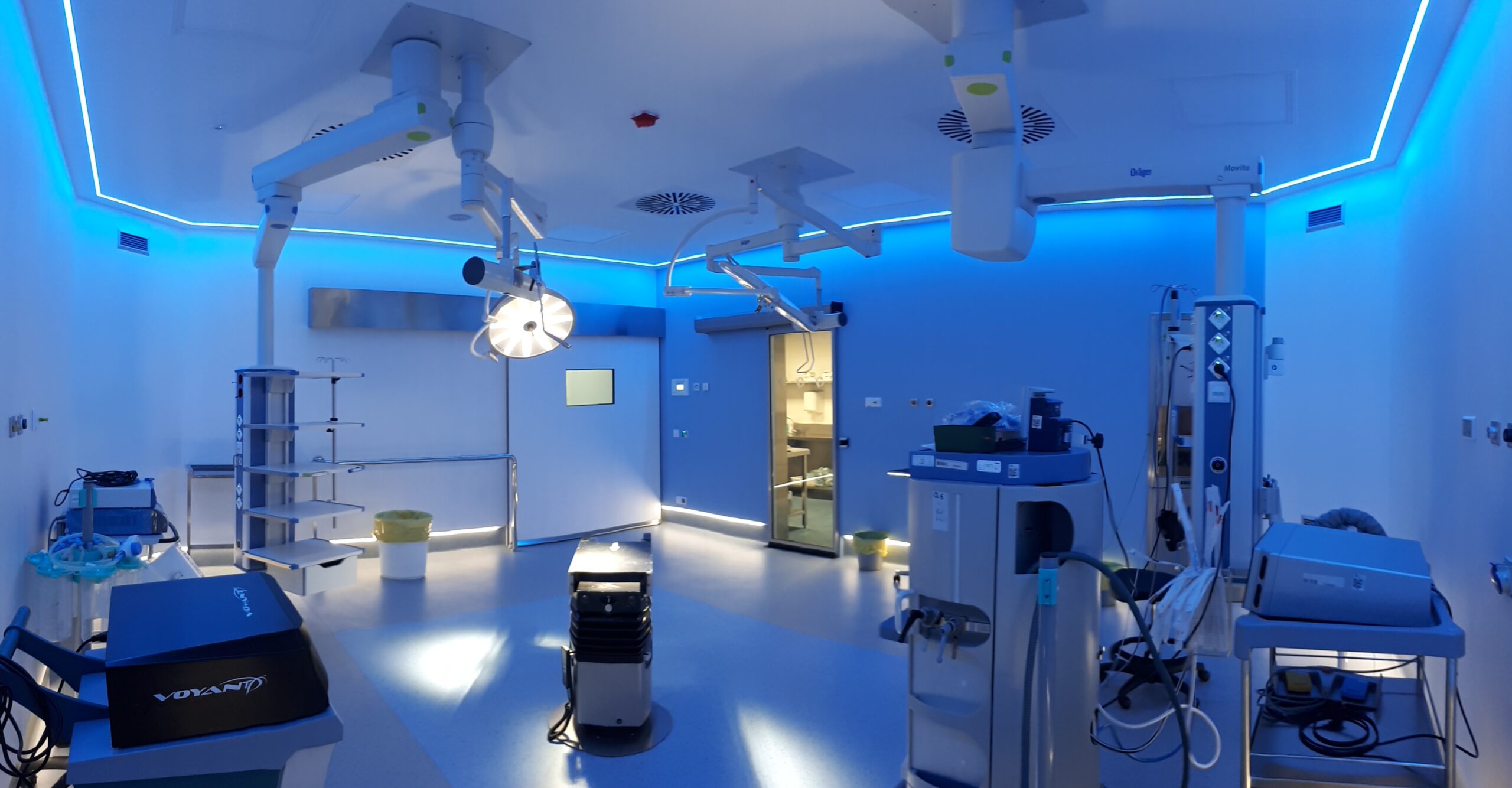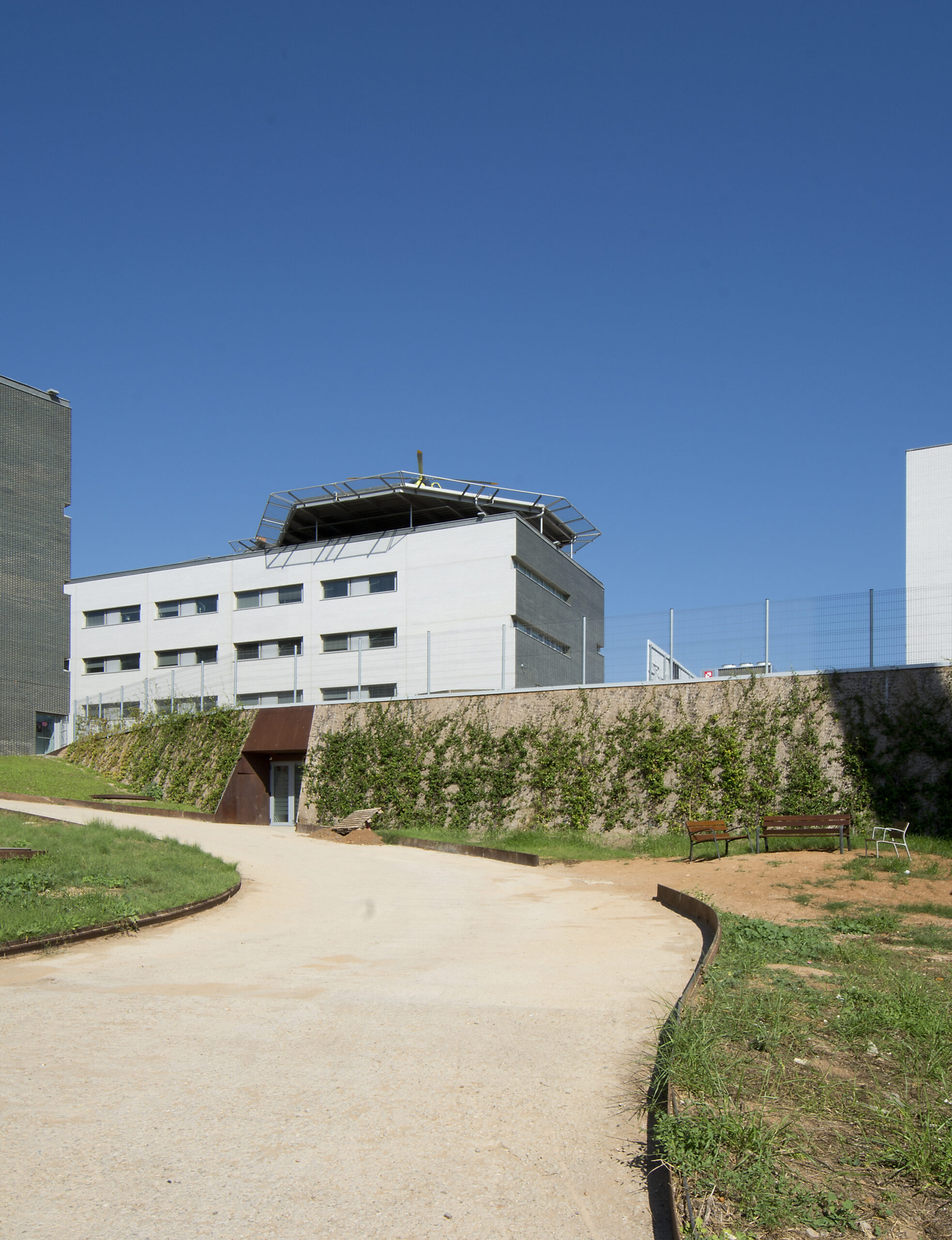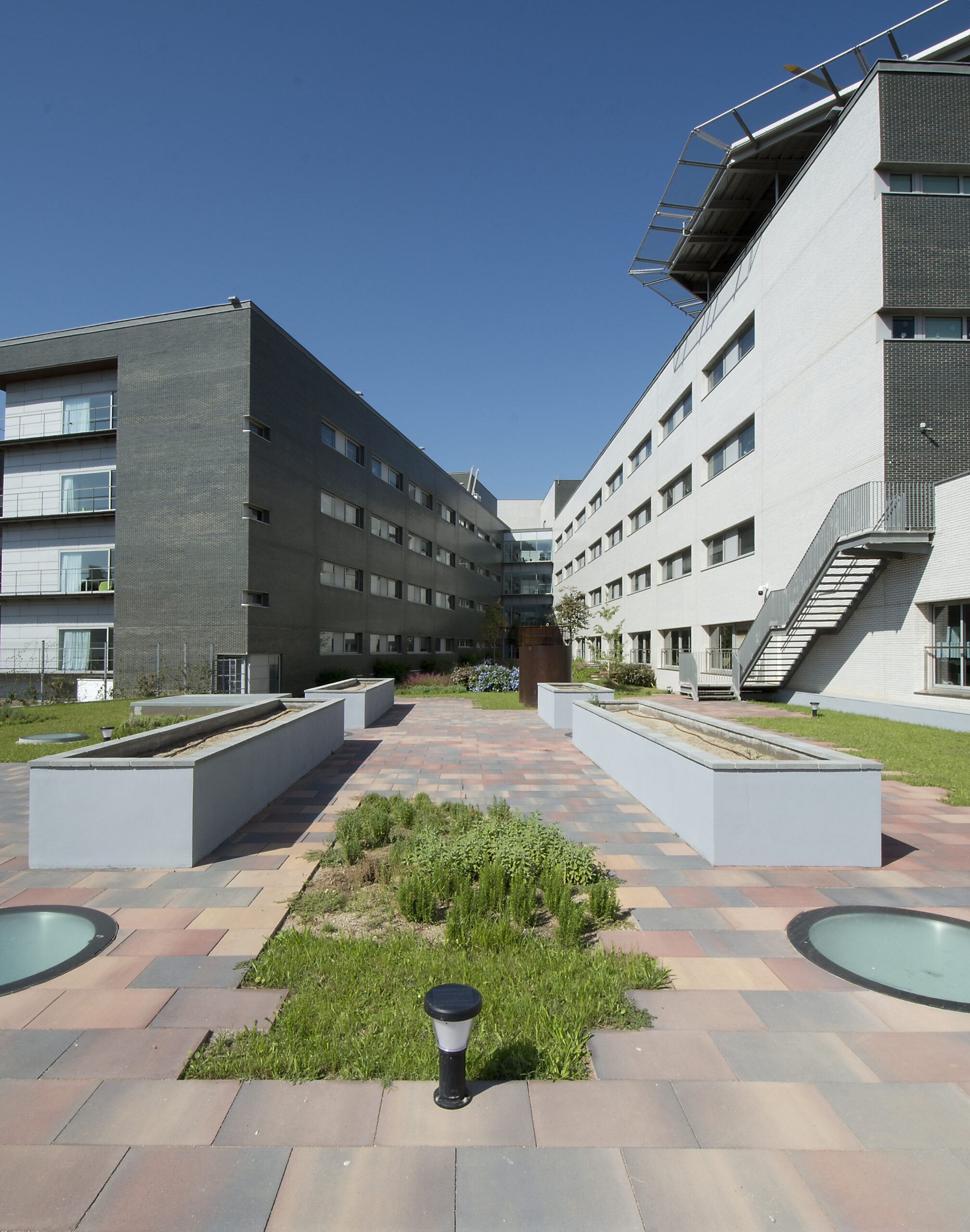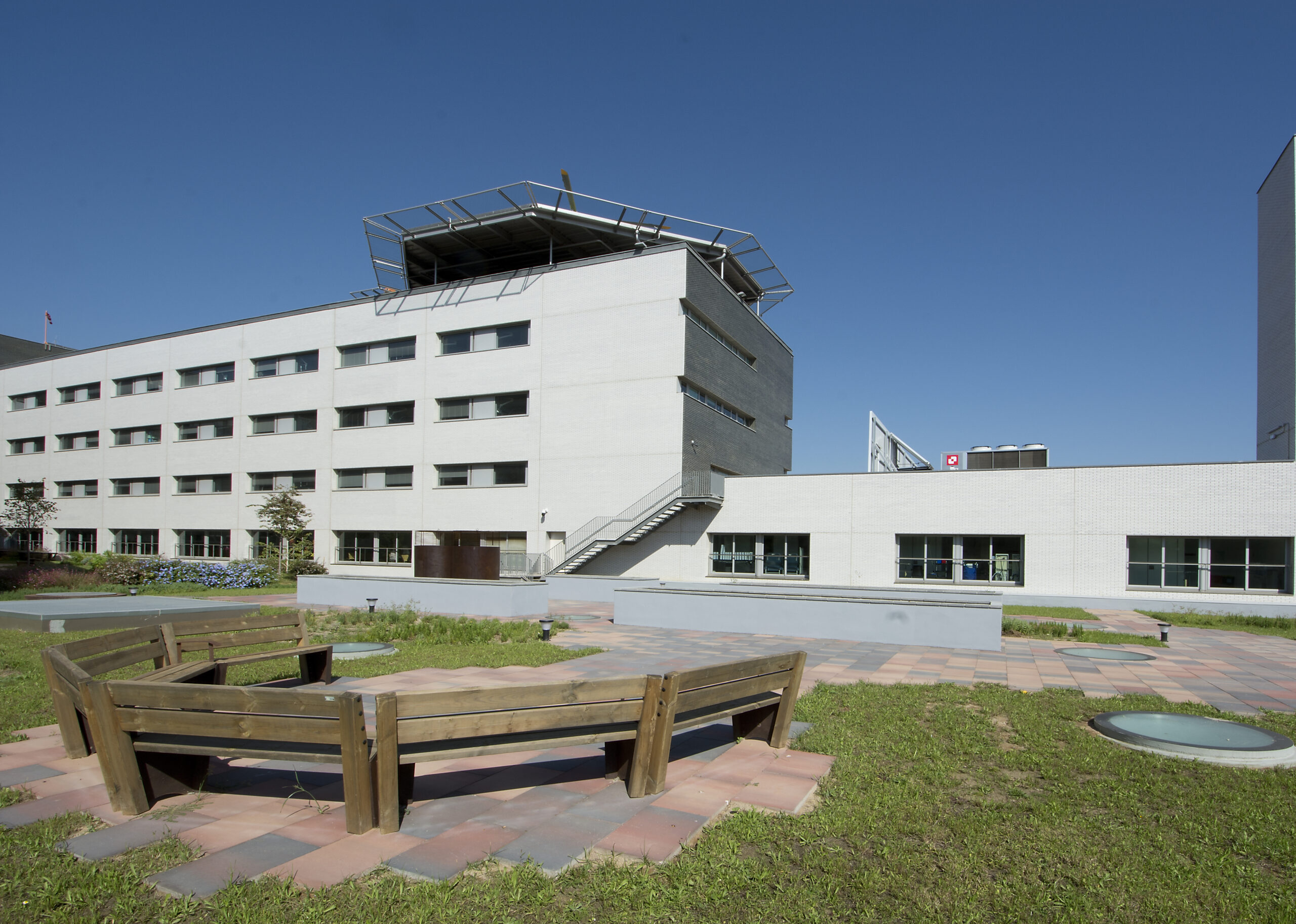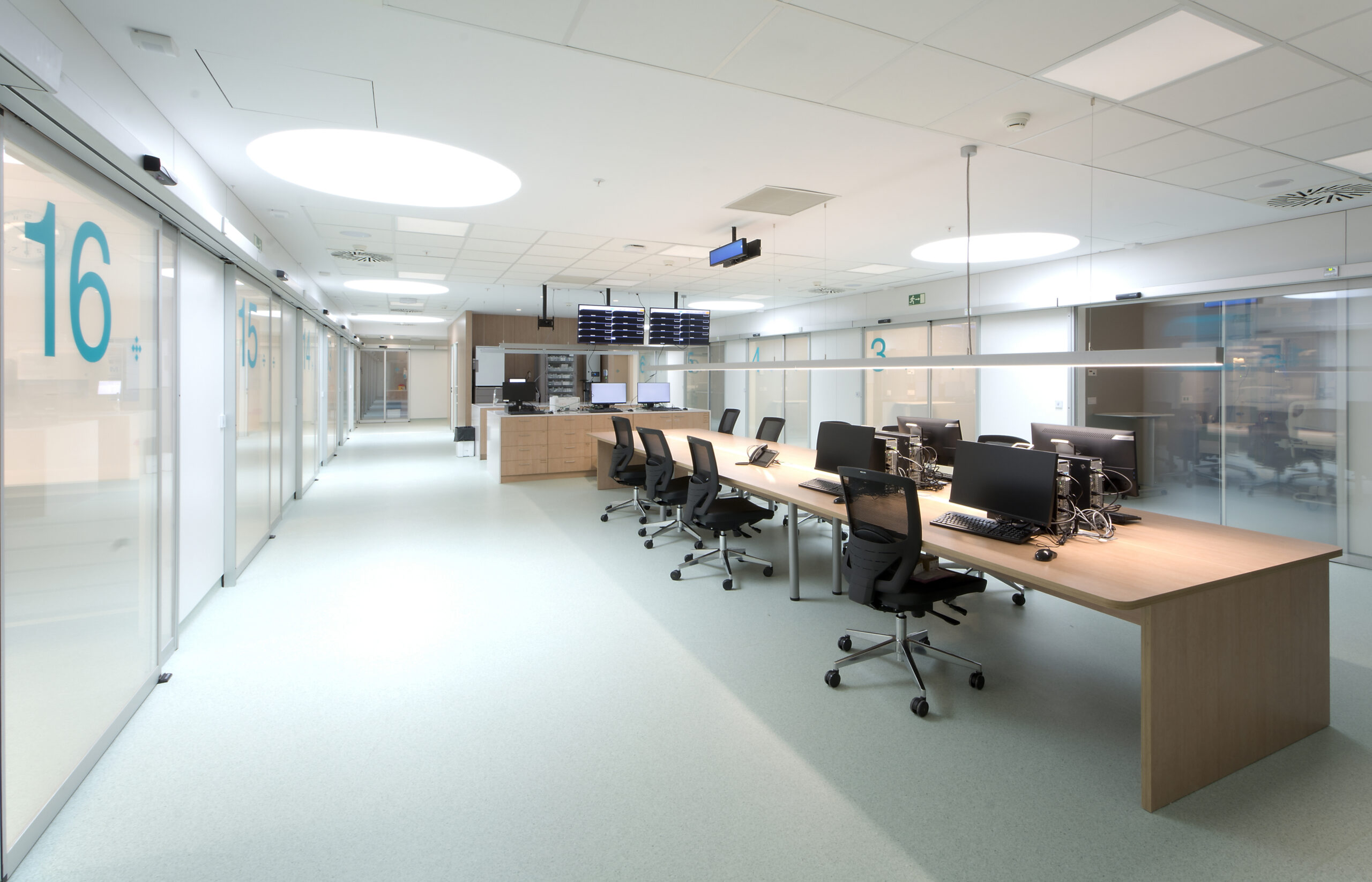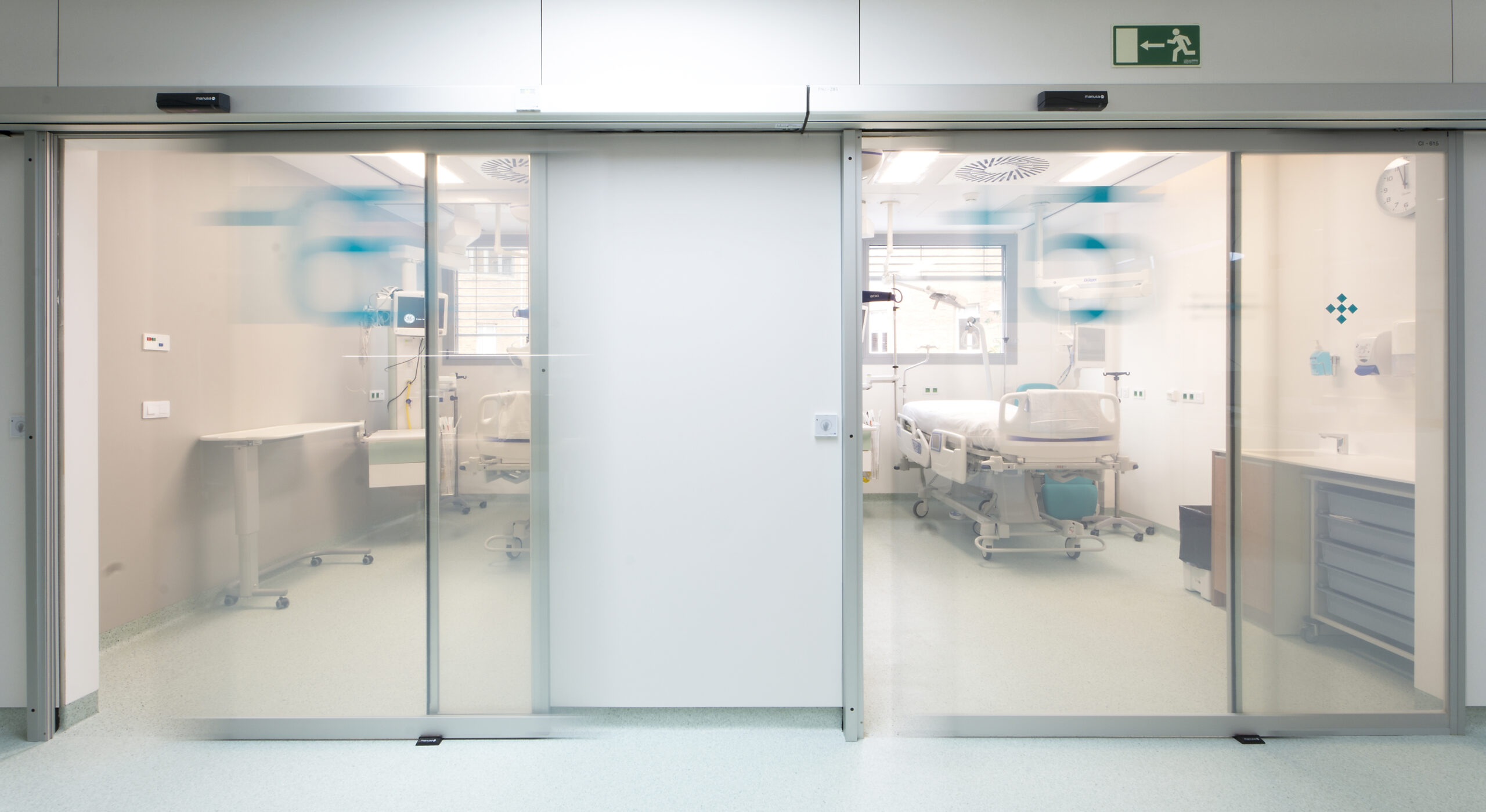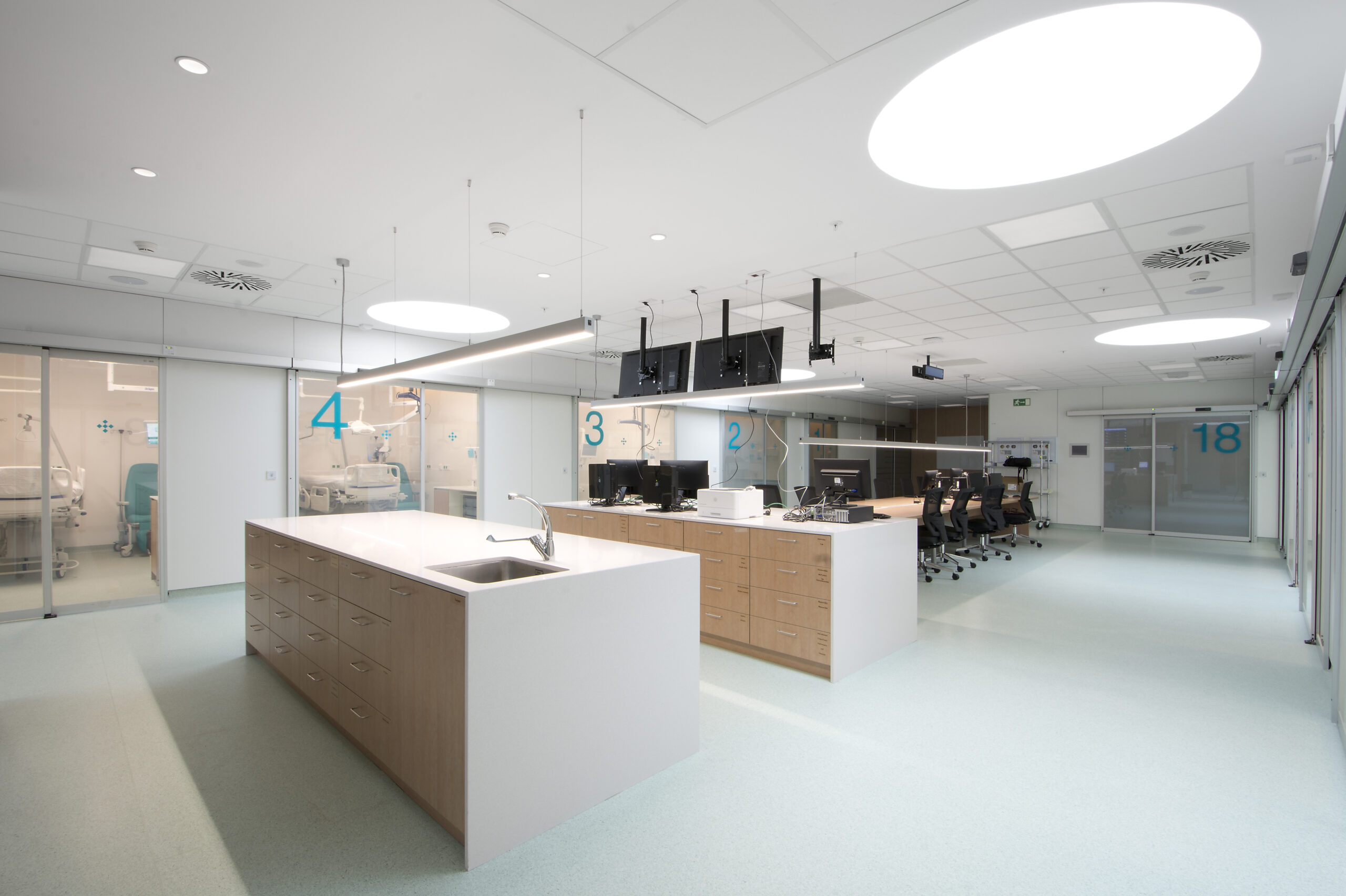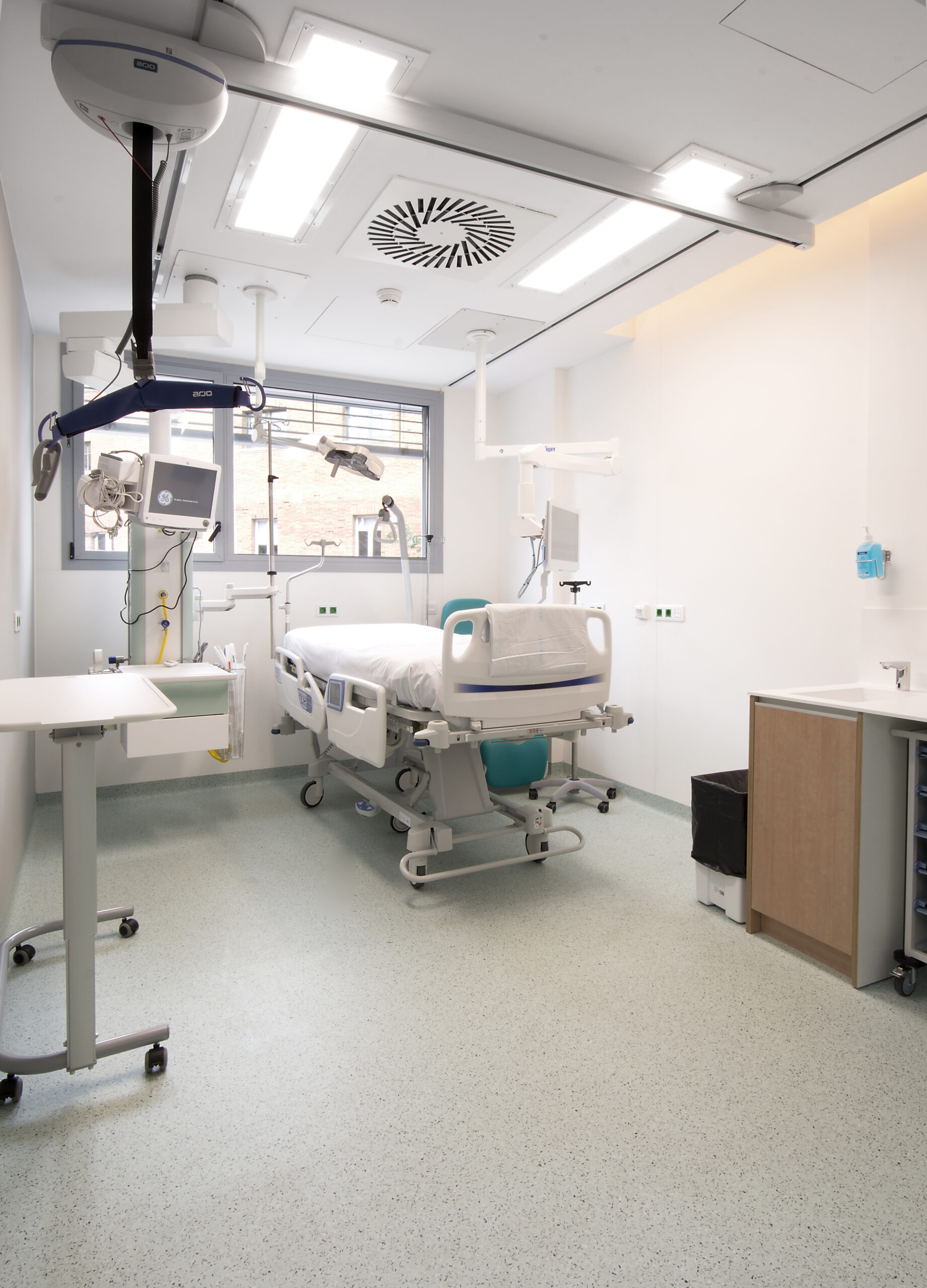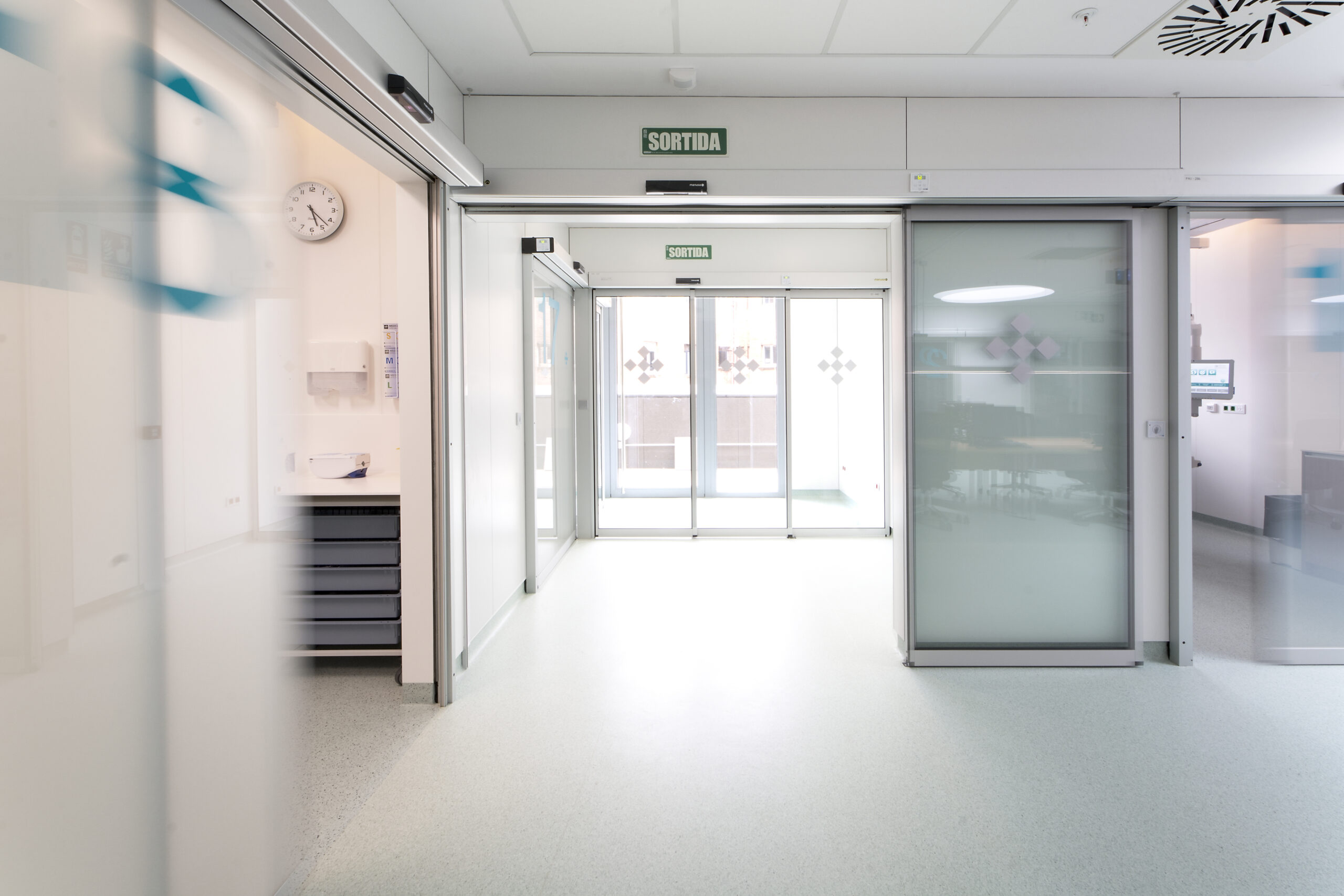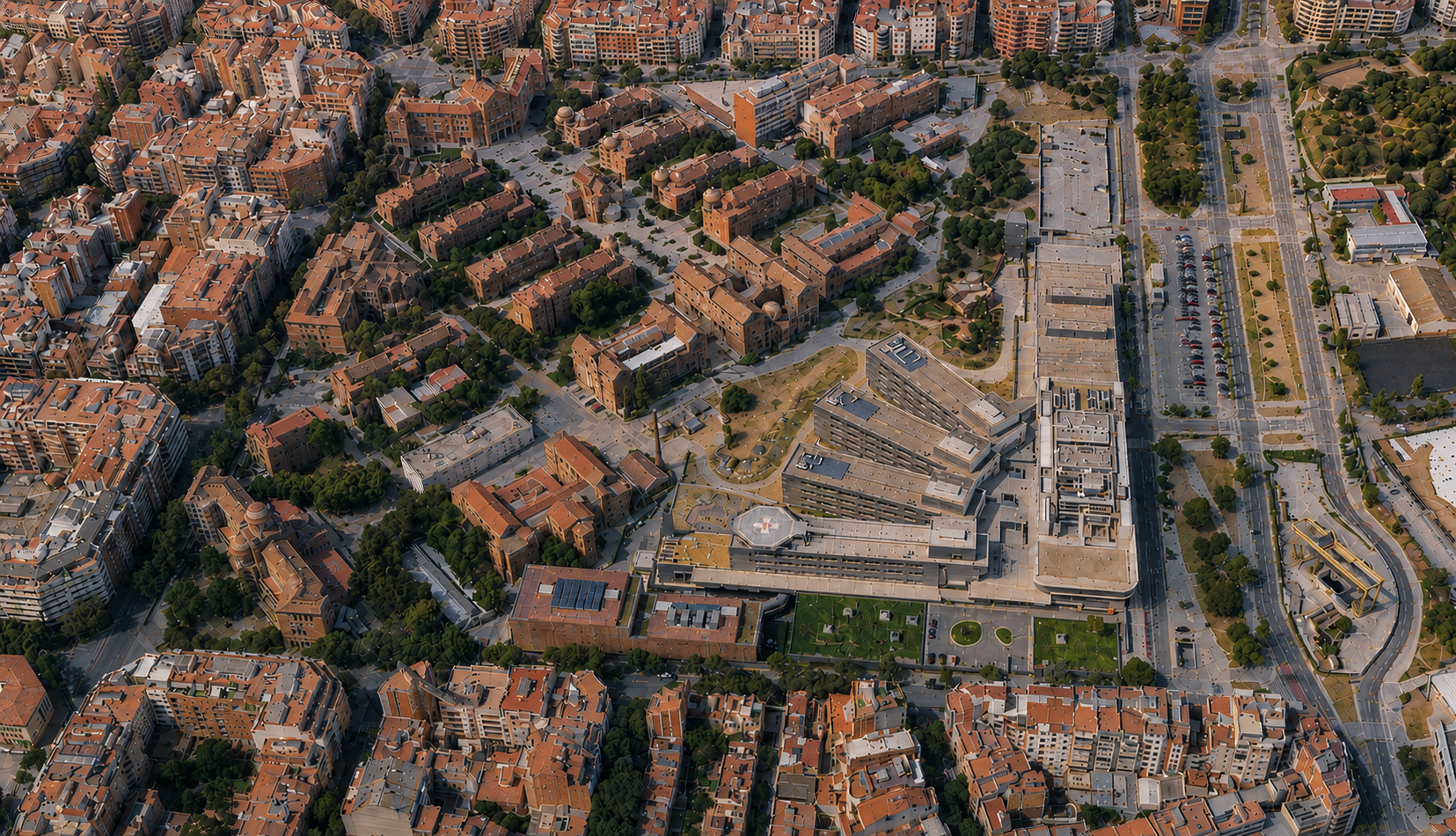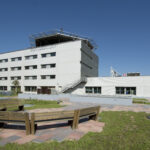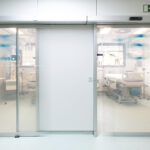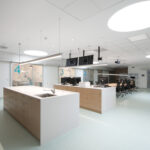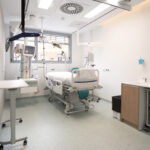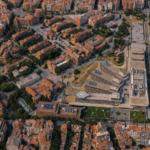
The primary objectives of this project are the expansion of the step-down care unit—adding 18 new treatment bays to achieve a final total of 76 critical care bays—and the renovation of the surgical block to incorporate three new operating rooms. The expansion is executed by adding an extra story over the roof of the loading dock and the Waste and Laundry Management area. Within the surgical block, works focus on infrastructure preparation via a new MEP plant room in the exterior logistics courtyard, the renovation of interior support spaces, and the construction of the three new operating rooms.
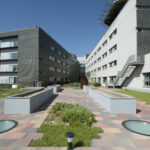
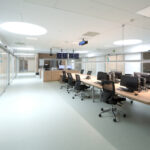
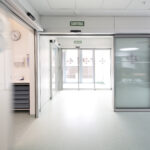
Layout & Organization //Organizationally, the project guarantees single-level circulation across all interconnected areas. This strategic positioning and interior layout endow the space with high flexibility, allowing it to adapt dynamically as an ICU, a step-down unit, or an emergency overflow area according to fluctuating clinical demands. Additionally, the unit features two direct access points from Sant Quintí Street, a direct link to the therapeutic garden, and two emergency exits. Regarding the new technical gallery, the layout places it underground in the exterior logistics yard—a strategy that avoids altering the hospital’s original structural framework and significantly accelerates execution timelines.
Uniqueness & Character //The uniqueness of this intervention lies in its seamless integration and deep respect for the surrounding physical and historical context. Architecturally, the new expansion volume is designed to be non-invasive, featuring a fully green roof to blend harmoniously with the landscaped environment outlined in the campus master plan.
During Phase 1, the pragmatic nature of the design stands out—highlighted by placing the MEP technical gallery outside the original building’s footprint and optimizing spatial distribution. A notable example is the strategic reduction of the transfer zone from 5 to 3 meters to accommodate new vertical circulation cores (elevators and stairs) without compromising the operational functionality of existing doors.
Sustainability Criteria // The project embeds rigorous standards of sustainability, eco-design, and efficiency:
-
Landscape Integration: Implementation of a green roof that enhances biodiversity while boosting building thermal insulation.
-
Energy Efficiency (HE): Full compliance with energy demand limitations and the installation of high-efficiency lighting systems (HE3), supported by specific lighting design studies to optimize energy consumption.
-
Healthy & Certified Materials: Utilization of timber and raw materials with PEFC certification, guaranteeing origin from sustainably managed forests.
-
On-Site Environmental Protection: Execution of strict waste control measures during construction, directing debris to authorized recycling centers, and deploying waterproof membranes to prevent surface water contamination and contain potential pollutants.