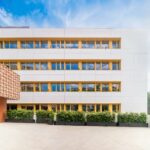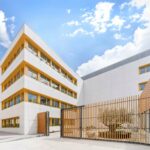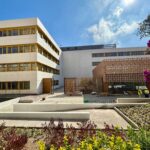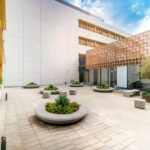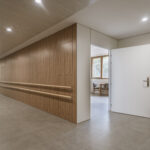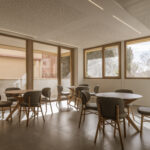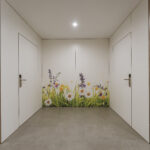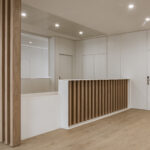
The Covid-19 pandemic highlighted the need to strengthen healthcare support systems for elderly people, individuals with functional diversity, and patients with mental health conditions, within a healthcare environment focused on person-centred care.
The result of strategic coordination between the Departments of Health and Social Rights, this facility addresses the acute need for healthcare beds for multi-pathological patients requiring socio-sanitary support in Barcelona. The objective is to provide specialized care that minimizes patient transfers and unnecessary exposure to clinical, high-stress hospital environments, thereby enhancing their cognitive and emotional well-being. Furthermore, the center alleviates pressure on emergency departments and acute inpatient wards, serving as a strategic cushion for the city’s residential care network.
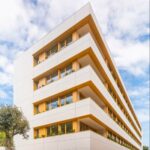
Healthcare Structure & Flexibility// Strategically located adjacent to the main Vall d’Hebron Hospital campus, the building stands out for its high functional capacity and systemic resilience. The architectural design allows each floor to be sectorized into two independent isolation units in the event of a pandemic. This is achieved through the duplication of vertical circulation cores, intelligent segregation of circulation flows (without multiplying corridors), and the strict zoning of technical installations—specifically HVAC and ventilation systems.
Functional Program & Capacity// The center provides 120 beds, with the built-in flexibility to scale up to 144 in emergencies or periods of temporary saturation. The program is distributed as follows:
-
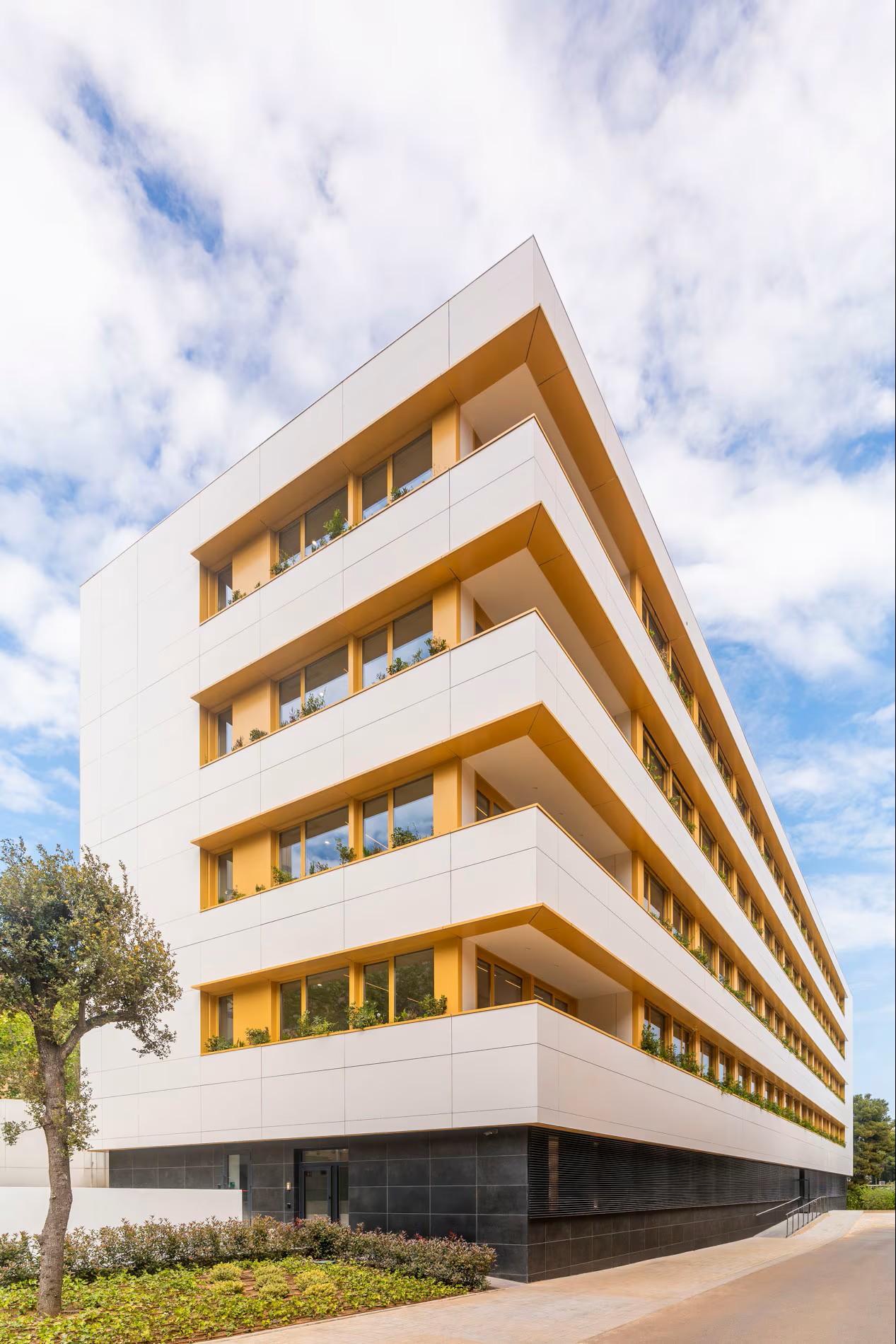
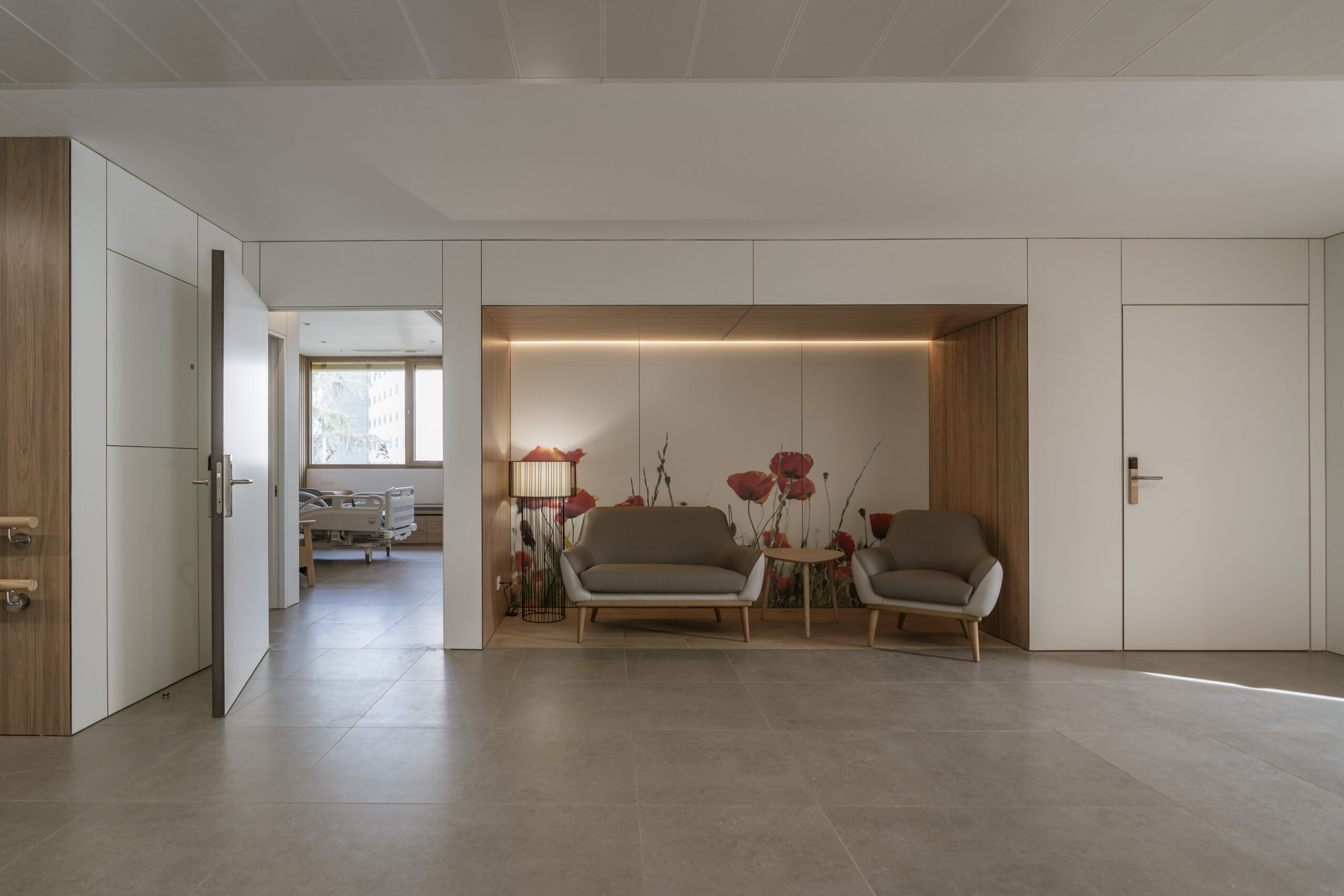
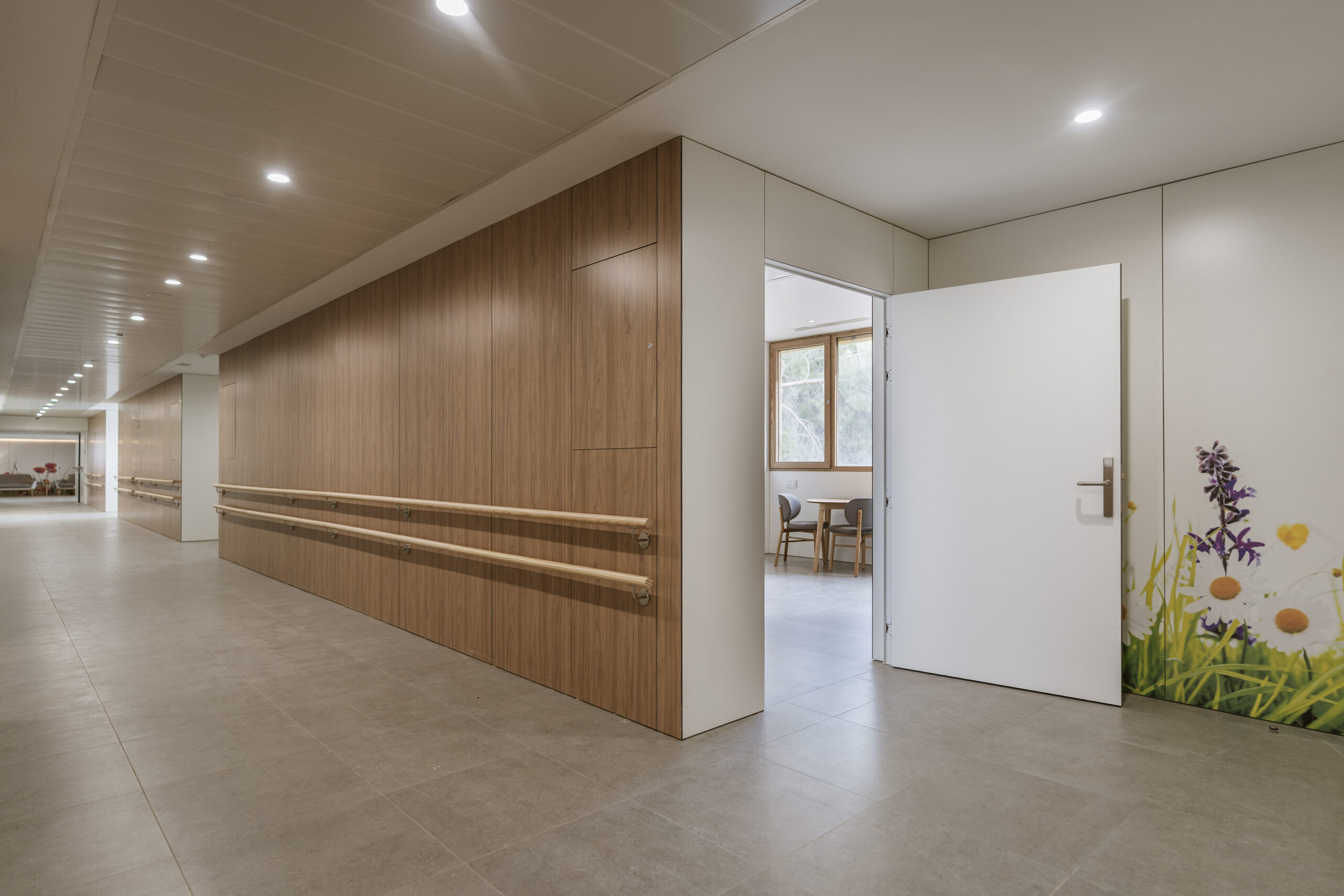
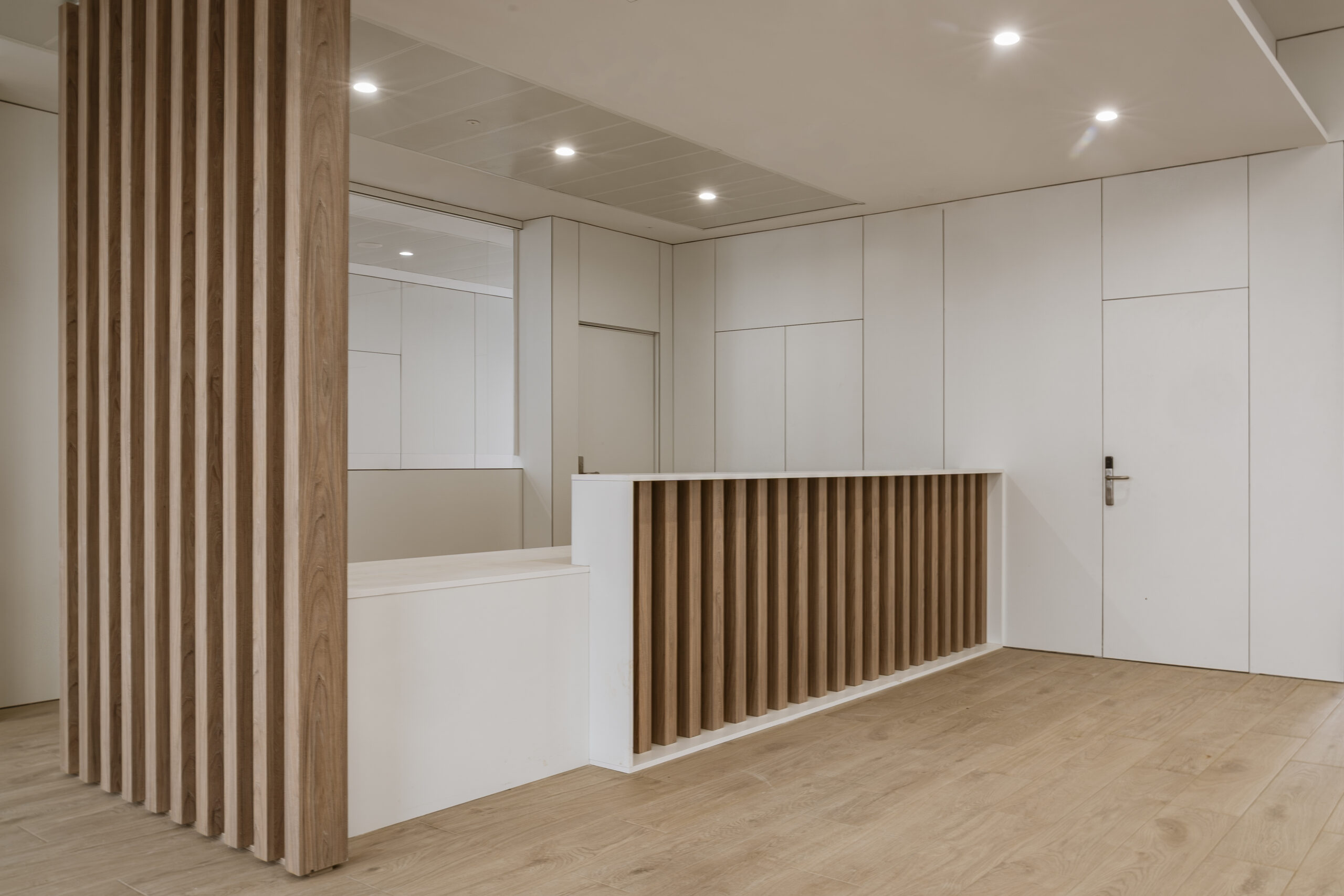
4 Inpatient Floors: Each floor features 21 rooms (9 double rooms in the right wing and 12 single rooms in the left wing, the latter engineered to easily double their capacity if required). Support services are centralized at the intersection of both wings, including the nursing control station, staff breakrooms, linen storage, and family consultation areas.
-
Semi-Basement Level: Dedicated to rehabilitation, administrative, and logistical areas.
-
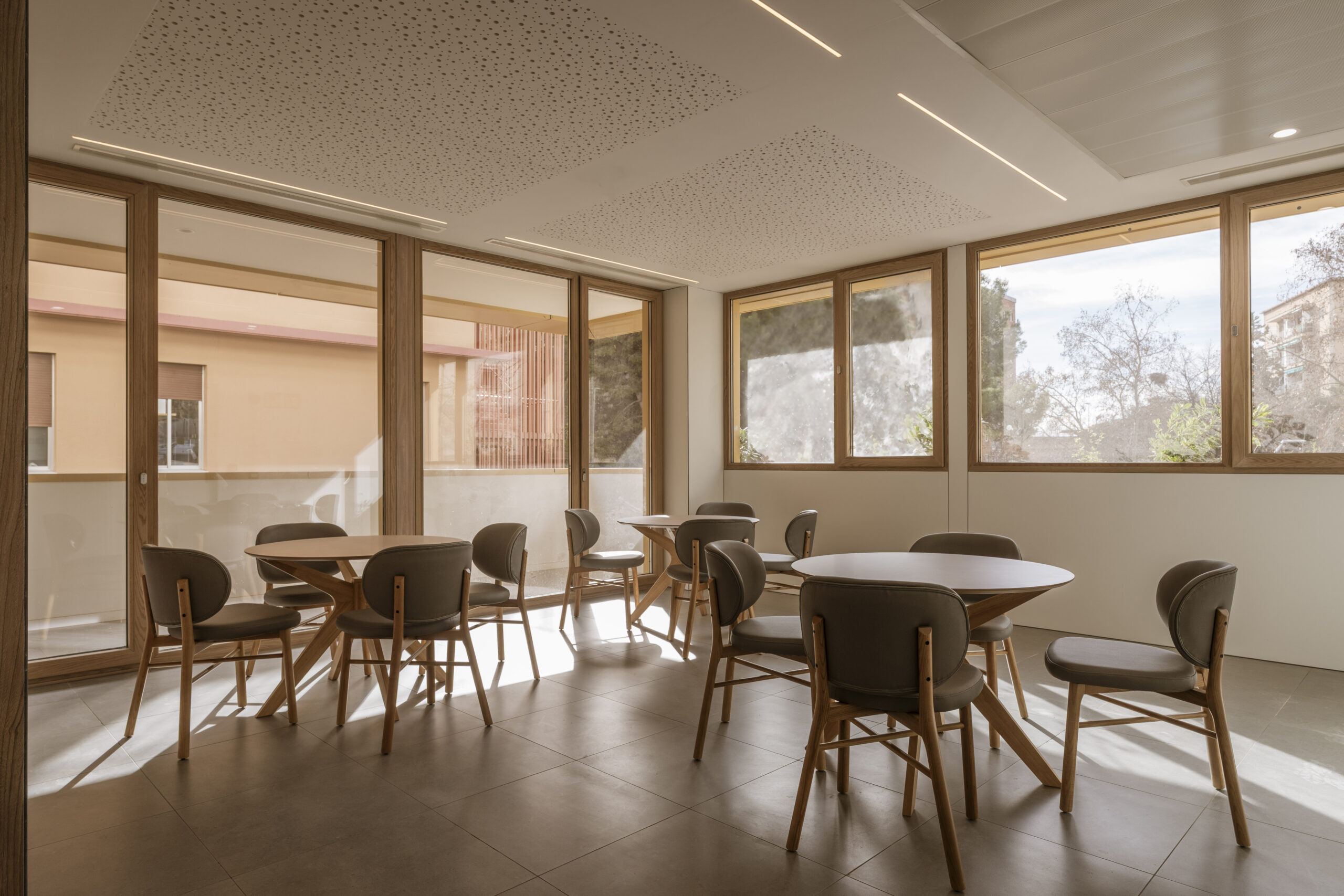
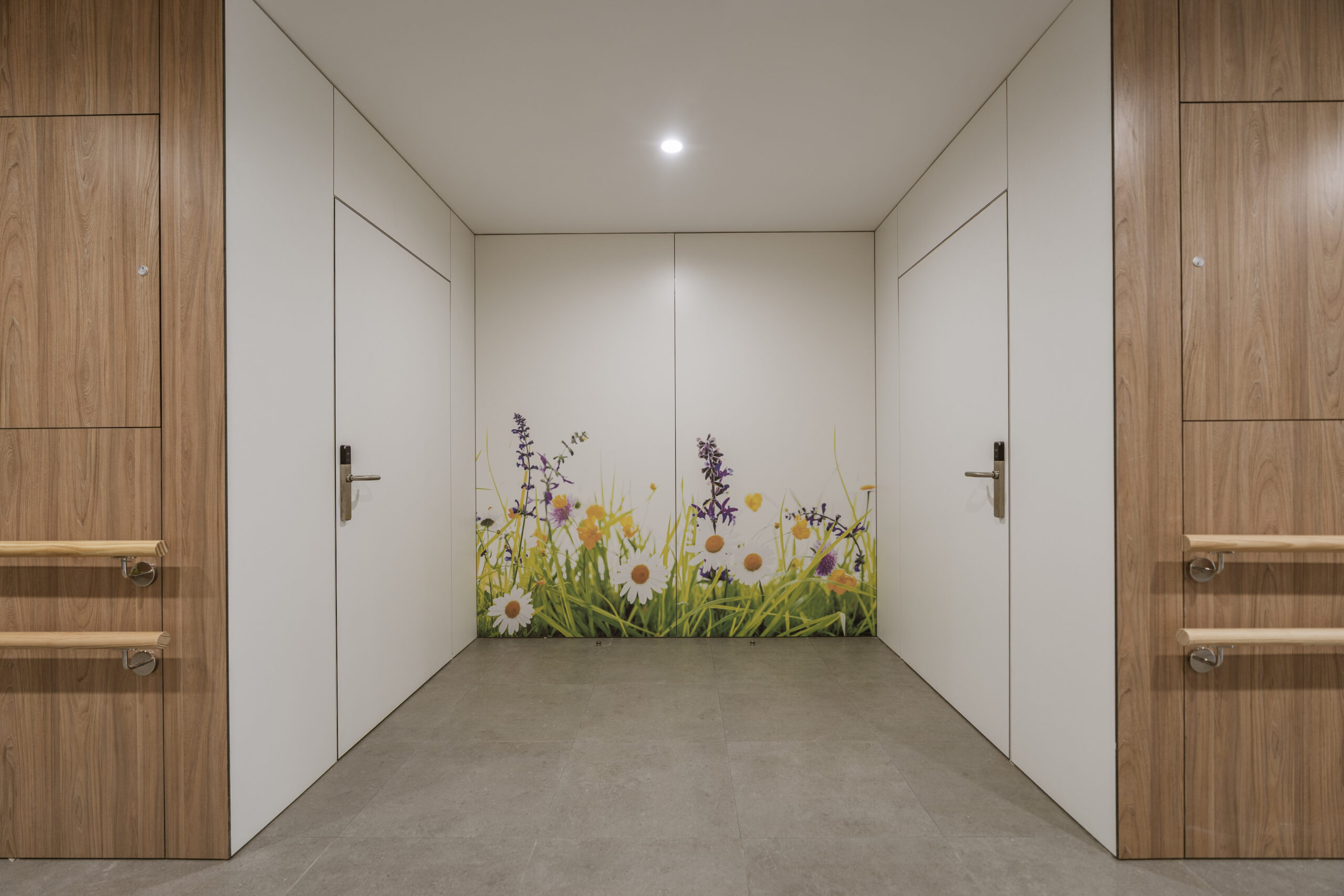
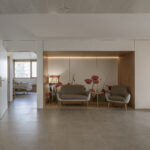
Social Spaces: Communal areas designed to foster contact with family and friends—a key factor in stabilizing patients with mental or behavioral conditions and supporting their transition back to their primary residences as they recover.
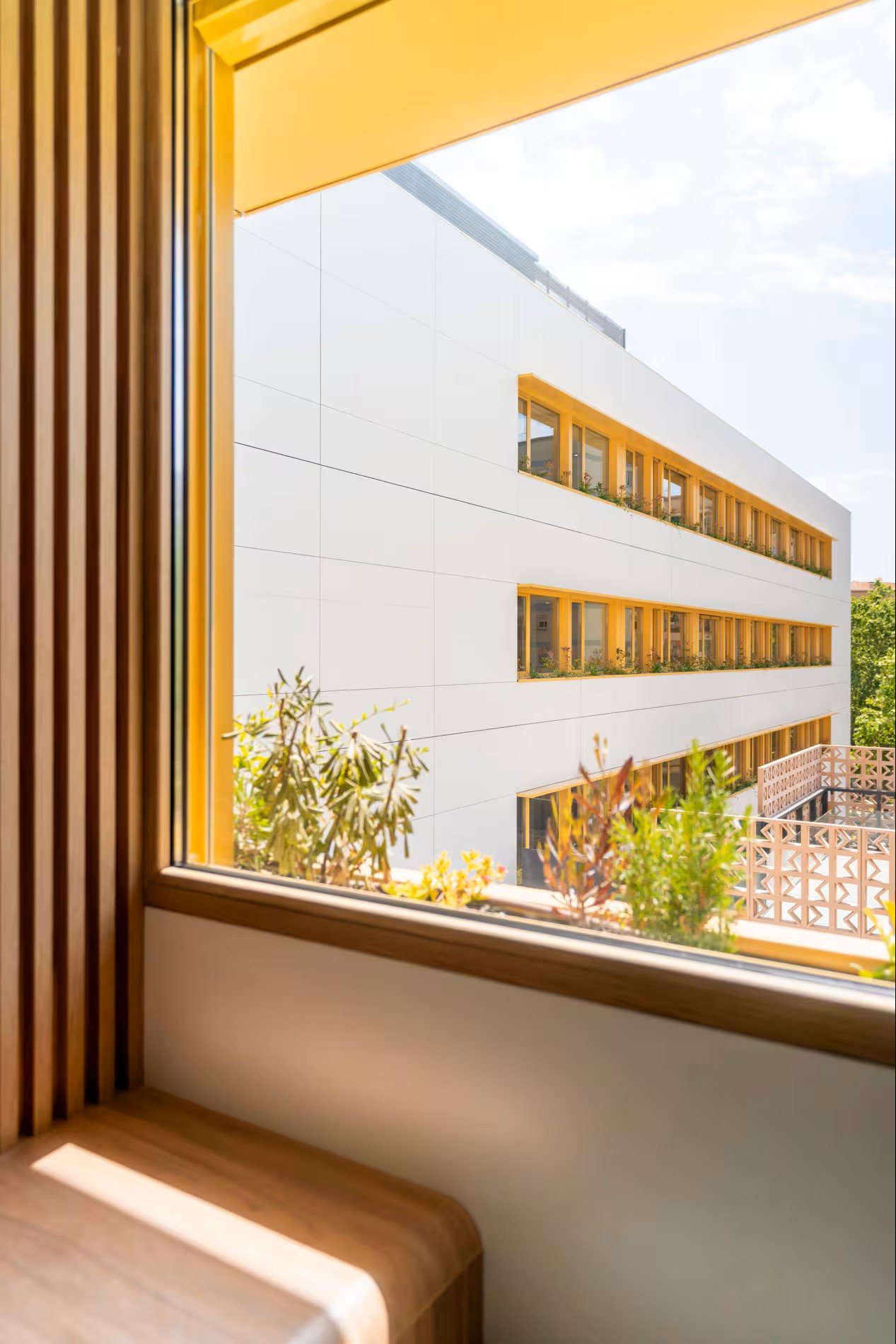
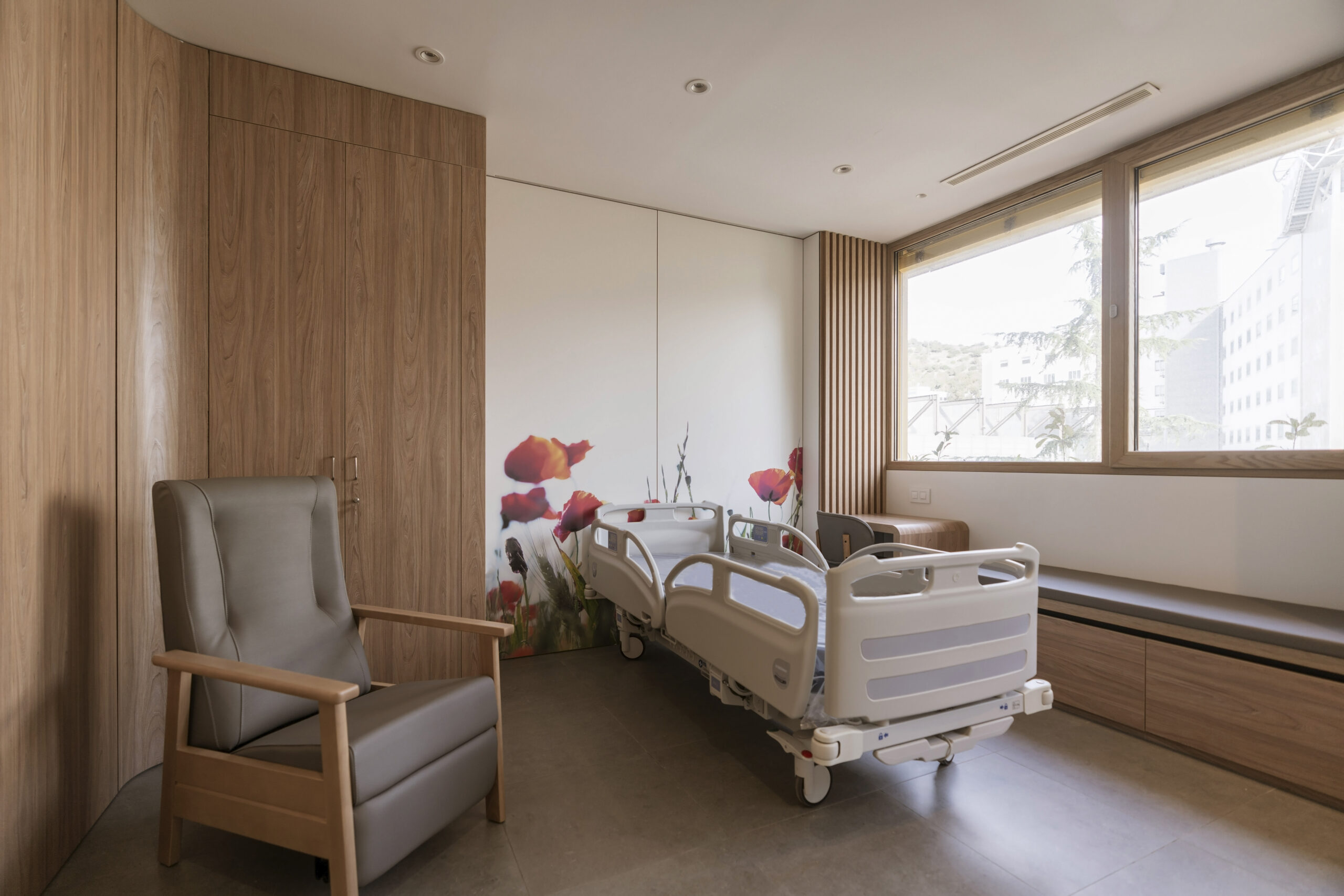
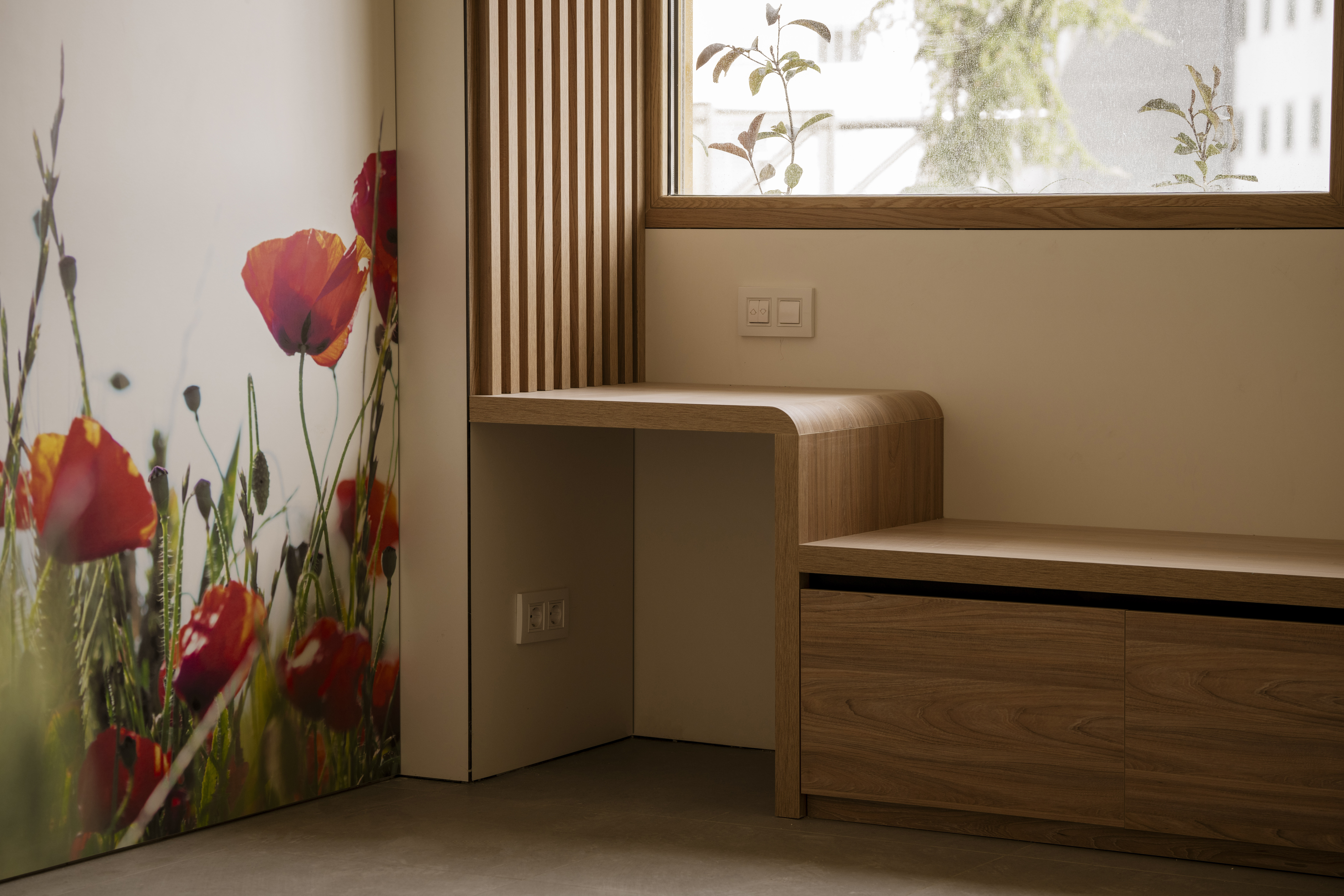
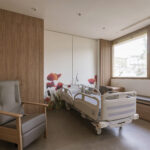
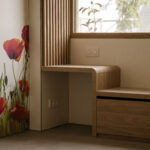
Typological Innovation: Person-Centered Patient Rooms// The design of the patient rooms stems from an in-depth study based on the principles of Person-Centered Care and Evidence-Based Design, tailored specifically to the high-dependence profile of users with mental or behavioral disorders. The project breaks away from the traditional parallel bed layout in double rooms. Instead, it proposes an innovative confronted bed layout that guarantees identical comfort and spatial quality for both occupants. Each patient enjoys direct window access (providing natural light and outward views), integrated biophilic elements, and a private desk-bench unit. Furthermore, a movable partition is incorporated to eliminate direct visibility between beds, maximizing privacy.
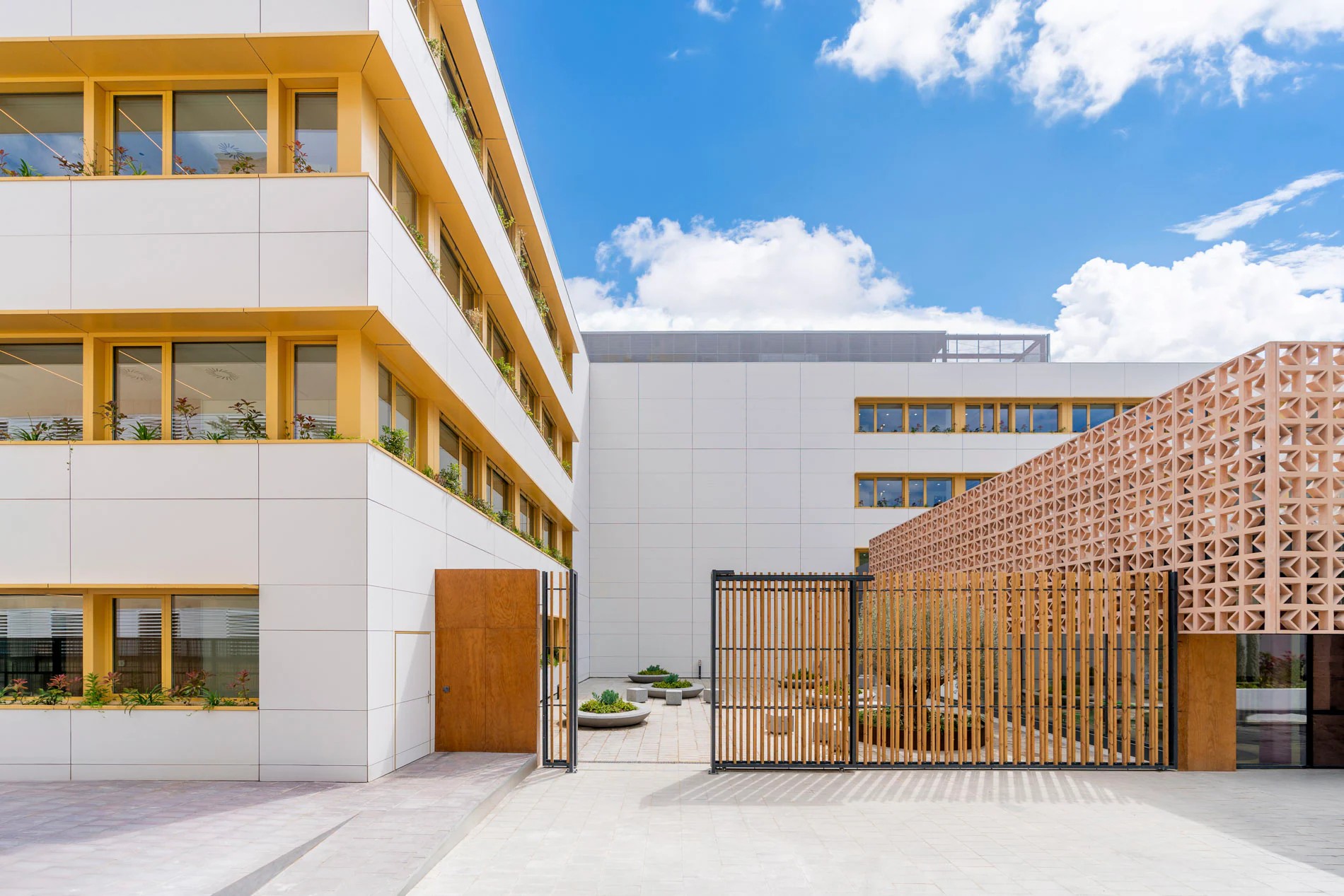
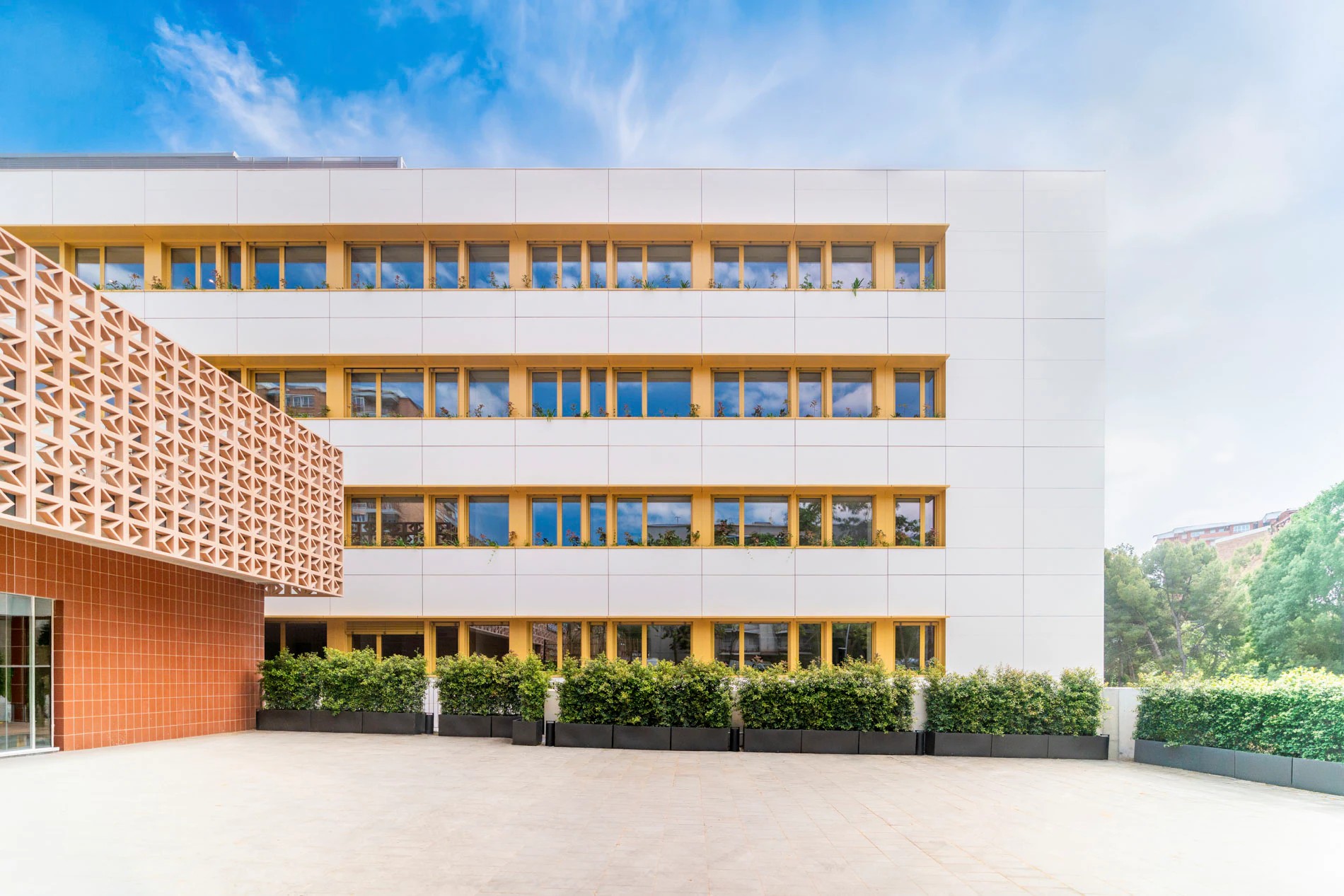
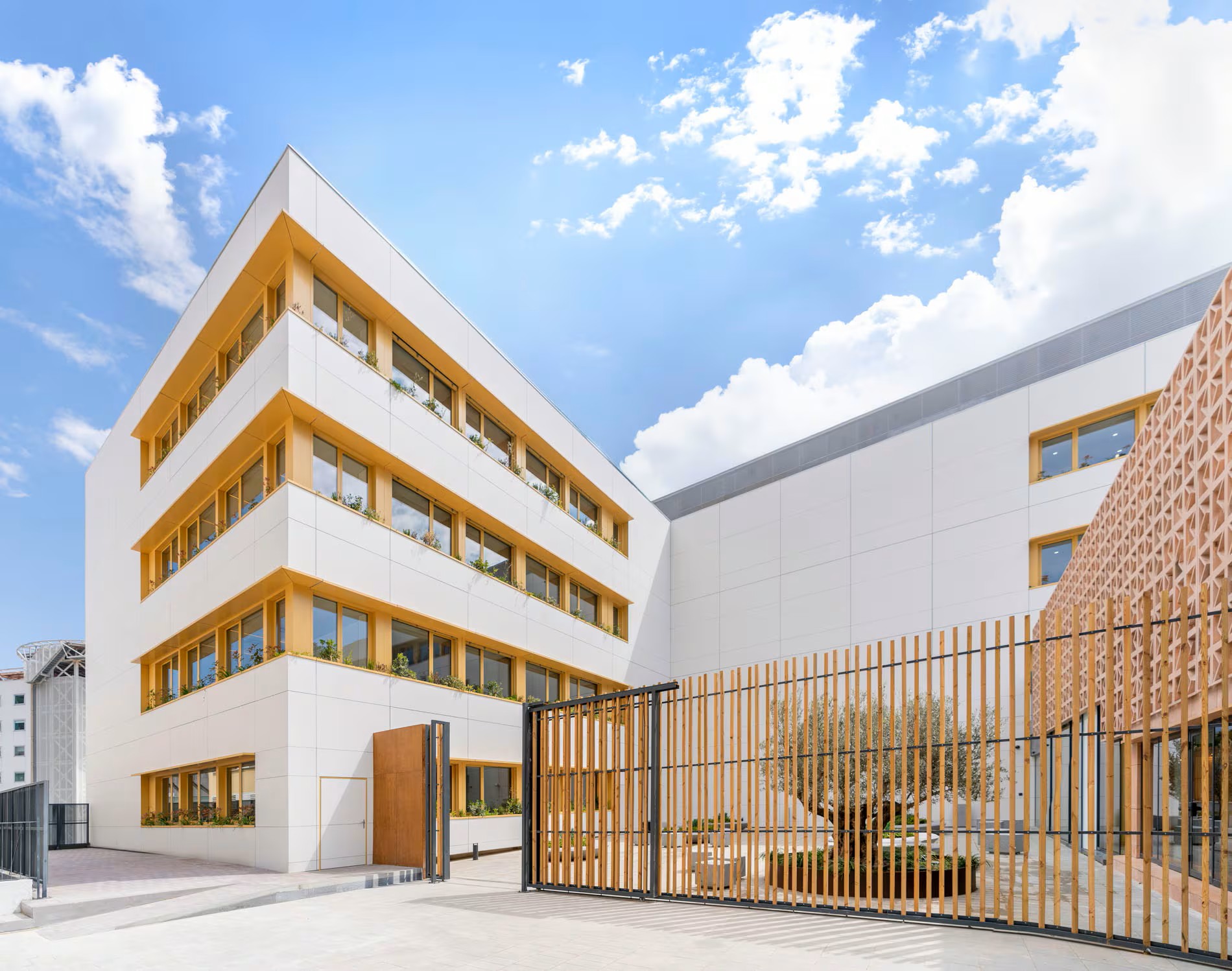
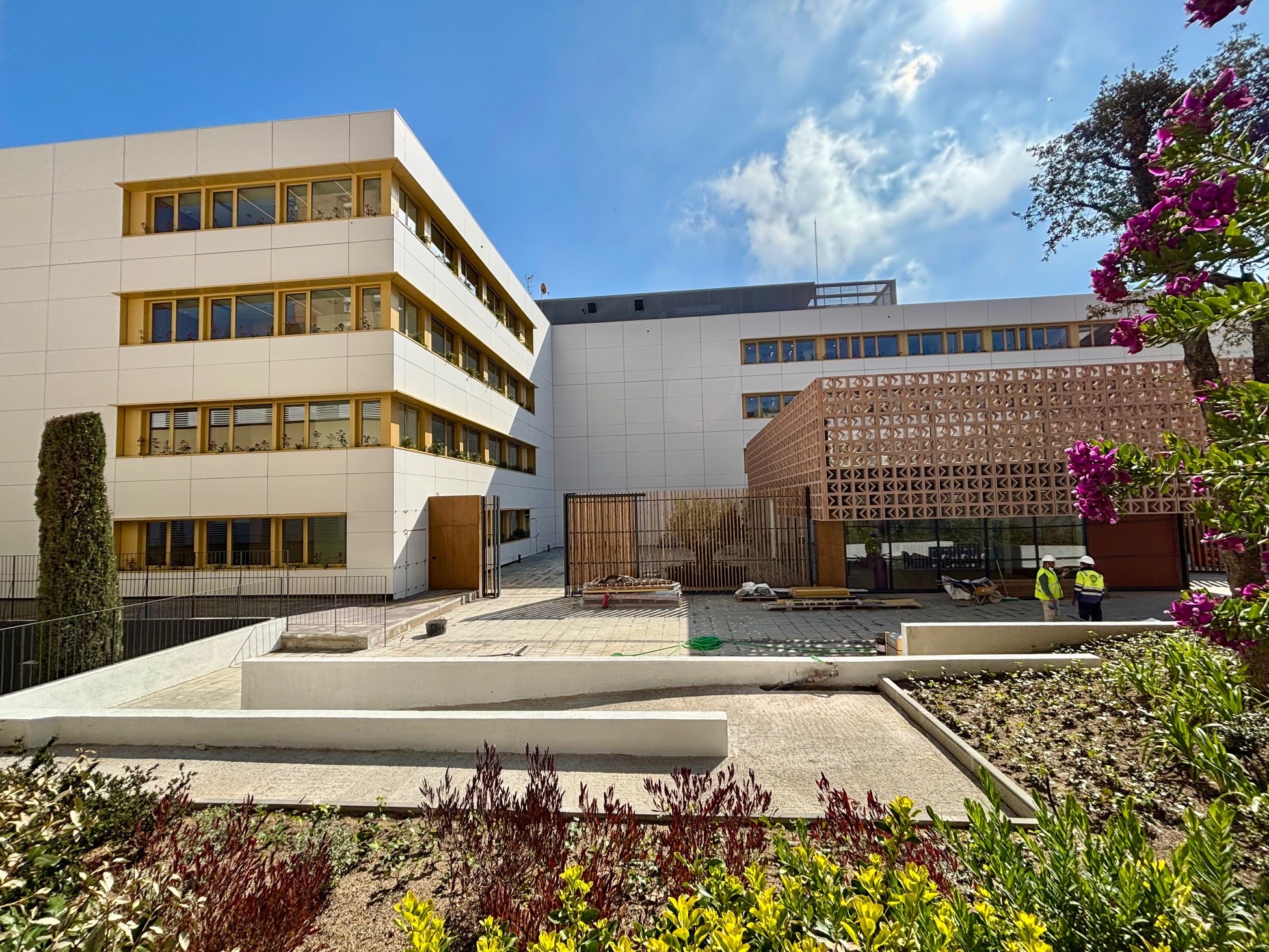
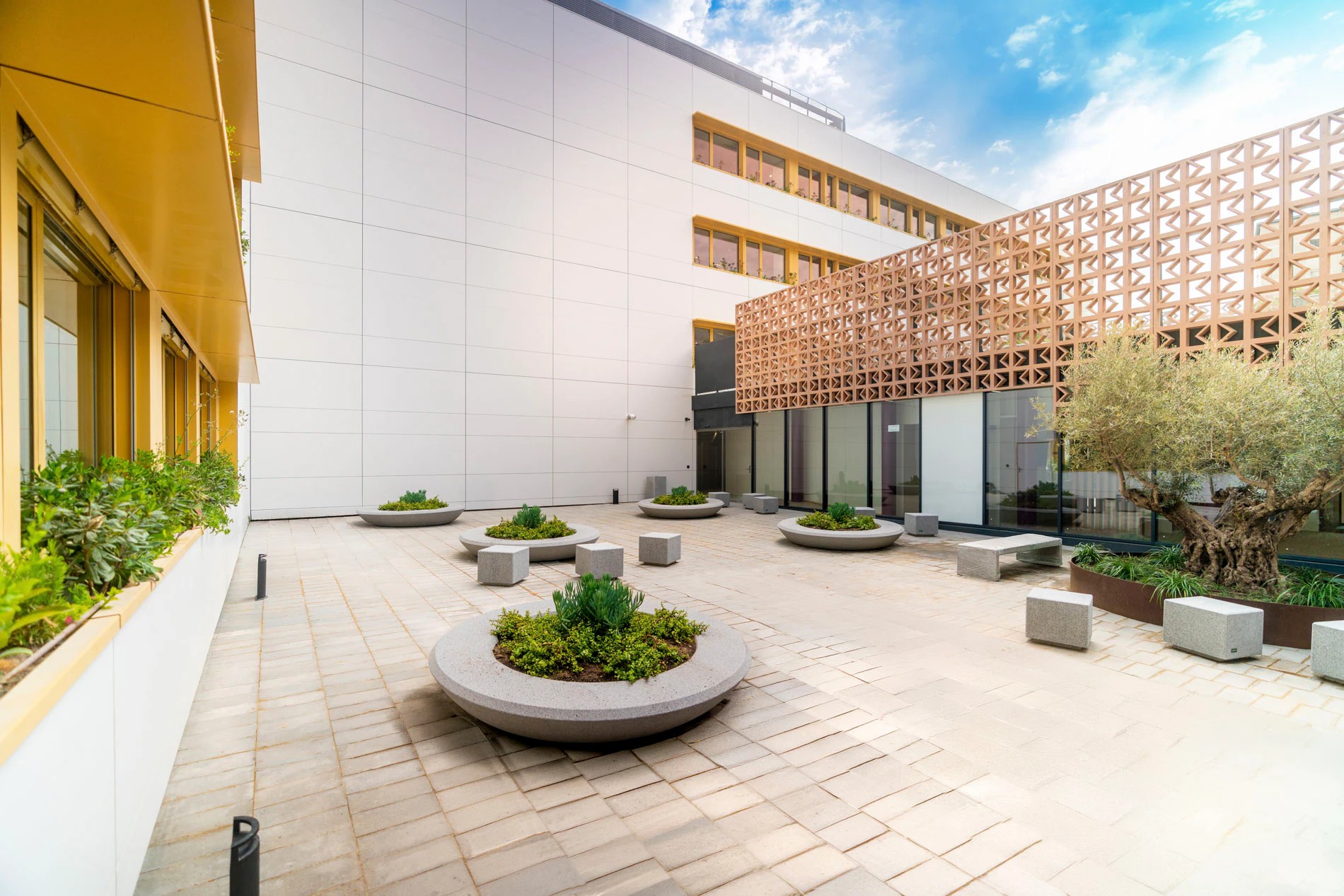
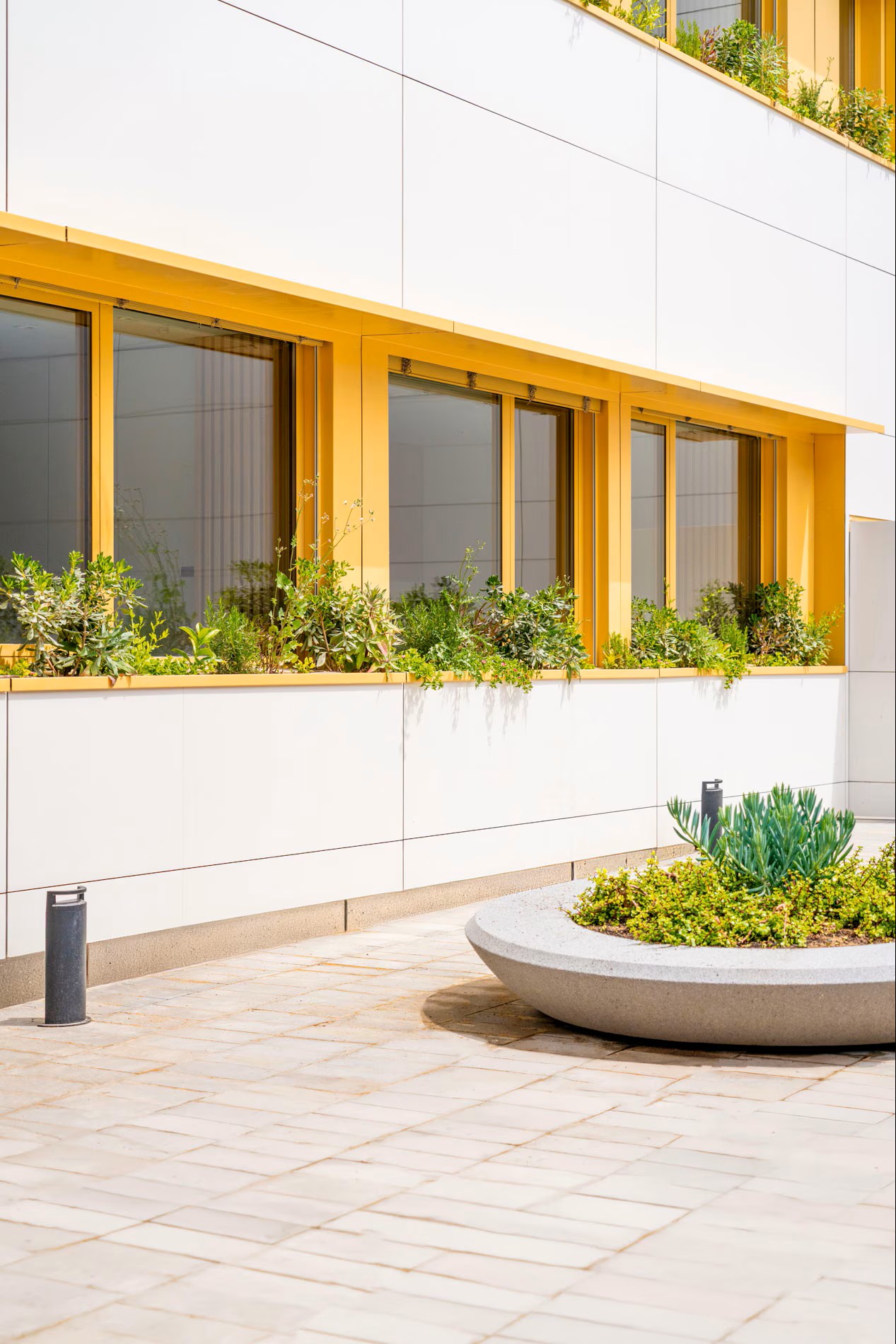
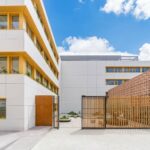
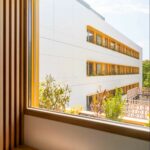
Sustainability Criteria // Situated within a landscaped zone, the building blends into its surroundings through the specialized treatment of outdoor spaces and rooftops, which are transformed into therapeutic gardens. Notably, a custom planter system is seamlessly integrated into the industrialized facade solution. Featuring facade modules fabricated 100% off-site and merely assembled on-site, this system successfully introduces vegetation directly into the patients’ immediate surroundings, enriching both individual inpatient rooms and communal spaces.